![[personal profile]](https://www.dreamwidth.org/img/silk/identity/user.png)
 Since before the final volumes of The Weird of Hali saw print, I've had people asking me about the recipes for some of the dishes that are cooked and served by characters in the novels. (No, nobody's asked about Owen Merrill's cheap college meal of dollar store ramen, frozen vegetables, and a sliced hot dog, but that one's pretty self-explanatory.) One of the basic rules of the writing trade is that you pay attention to what your readers want to hear about, and so once the novels themselves were done, I considered the possibility of a cookbook.
 Fortunately I had help. Characters are a novelist's imaginary friends -- well, at least mine are -- and so it was the easiest thing in the world to hand over the project to Brecken Kendall, the protagonist of The Shoggoth Concerto and The Nyogtha Variations, who loves to cook when she's not pursuing her career as a composer of neo-Baroque music. She duly dictated a cookbook which contains most of the dishes featured in my tentacle novels, from cheese polenta all the way to exotica such as authentic pirate salmagundi (she got the recipe for that from Toby Gilman, of course).
I should probably mention that all the recipes in this book are real, and none calls for ingredients you can't get this side of the plateau of Leng. Since Brecken and I share the conviction that food should be cheap, tasty, filling, and not especially complicated to make, this is also not the kind of cookbook that's meant to permit members of the overprivileged classes to show off how much money and leisure they have by wasting a lot of both turning out desperately precious yuppie chow. It's geared toward people (like Brecken, and in my younger days, me) who don't have a lot of money or a lot of time to spare, and still want to eat well.
So if you're wondering what to feed the shoggoth who's unexpectedly shown up in your kitchenette, or simply want to have plenty of tasty meals to serve and eat while you're waiting for Great Cthulhu to rise from the sea, here you go. The current release date is August 18, and you can order your copy in advance here.


 Well, kind of.
 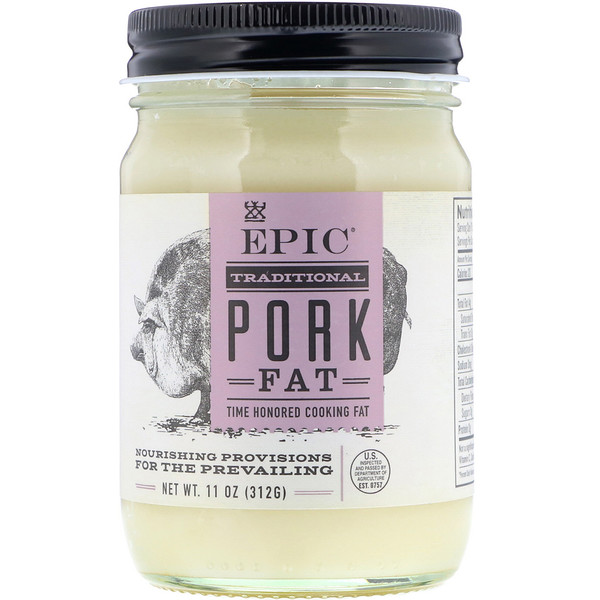 There's actually more going on in its appearance than a tacit admission that many kinds of food cooked in animal fat really are tastier than their vegetable-oil cousins, although that's part of it. There are, broadly speaking, two kinds of evil in the world. There's the kind that's motivated by greed and lust, and the kind that's motivated by pride and envy, and one of the things that makes life entertaining here in the world of manifestation is that each of them tends to point at the other and say, "That's evil, and therefore I'm good."
 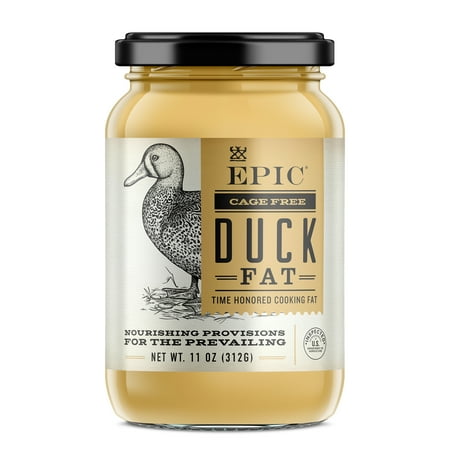 To use the labels Rudolf Steiner gave them, Ahrimanic evil is the kind that's driven by greed and lust. It's all about plunging into sensation and materiality, who cares about the consequences to me or anyone else, I want it, Mac -- got it? Luciferic evil is the kind that's driven by pride and envy, and it's all about being better than other people, the world is not good enough for me and neither are you, you lowlife scum! Each has its habits, including dietary habits, and compulsive veganism is one of the common expressions of Luciferic evil in today's society.
 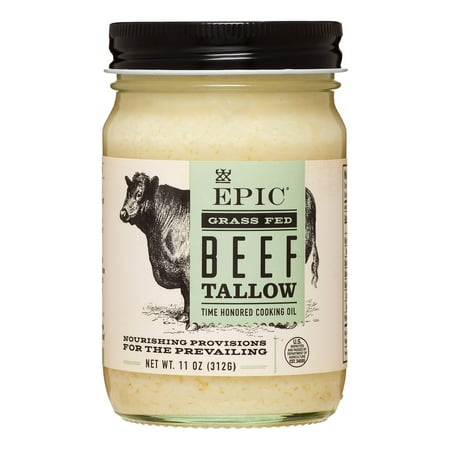 That's not to say that all vegans are evil, far from if -- there are people who simply thrive better on a diet without animal products, and if you're one of those, enjoy your Tofurkey later this month. Most of us, though, have encountered a great many examples of the sort of vegan for whom abstension from animal foods is a fondly regarded proof of their personal sainthood and a license to hurl abuse at those of us who don't share their diet. (Yes, I've tried a vegan diet -- I was into macrobiotics back in the day -- and I don't thrive on it. Yes, I've had perfect strangers melt down and start screaming at me because they saw meat in my grocery cart.)
